

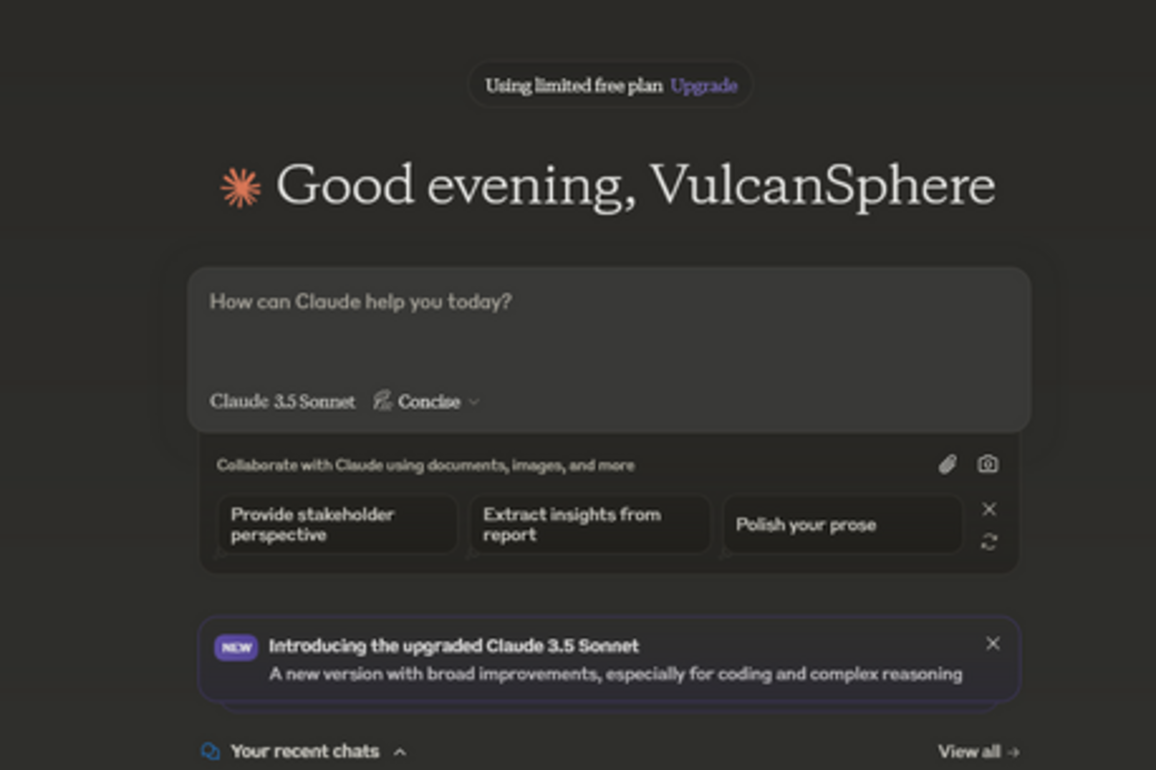
WASHINGTON, D.C.: The U.S. State Department has begun transitioning from Anthropic's AI systems to OpenAI, as more federal agencies comply with a White House directive to phase out the San Francisco startup's products.
On March 2, the departments of State, Treasury, and Health and Human Services joined the Pentagon in moving away from Anthropic's chatbot platform, Claude, toward rivals, including OpenAI.
The federal government's widening break with Anthropic follows President Donald Trump's order directing agencies to phase out its technology after the Defense Department designated the company a supply-chain risk, a label that can sideline vendors from federal systems.
Treasury Secretary Scott Bessent said in a post on X that his department was terminating all use of Anthropic products, including Claude.
Separately, the Department of Health and Human Services notified employees in a message obtained by Reuters, urging them to use alternative platforms such as ChatGPT and Gemini. HHS did not immediately respond to a request for comment.
The State Department confirmed it was replacing Anthropic's model in its internal chatbot, StateChat, with OpenAI technology.
"For now, StateChat will use GPT4.1 from OpenAI," a memo seen by Reuters said, adding that further information would follow.
"In line with the president's direction to cancel Anthropic contracts, we are taking immediate steps to implement the directive and bring our programs into full compliance," State Department spokesperson Tommy Pigott said in an email to Reuters.
Also on March 2, William Pulte, director of the Federal Housing Finance Agency, said in a post on X that his agency and mortgage giants Fannie Mae and Freddie Mac were ending all use of Anthropic products.
On February 27, Trump ordered a six-month phase-out of Anthropic systems across the Defense Department and other agencies. The company's financial backers include Alphabet's Google and Amazon.
The move marks a significant setback for Anthropic following a standoff with the Pentagon over safeguards governing how its AI models could be used and who would set the rules for deployment.
According to sources familiar with the negotiations, the Trump administration has clashed with Anthropic over guardrails designed to prevent the military and intelligence agencies from using its technology to autonomously target weapons or conduct domestic surveillance.
Late on February 27, rival OpenAI, backed by Microsoft, Amazon, and others, announced its own agreement to deploy technology on the Defense Department's classified network.
In a post on X on March 2, OpenAI CEO Sam Altman said the company would "amend" its Defense Department agreement to clarify that its AI systems would not be "intentionally used for domestic surveillance of U.S. persons and nationals."
He added that the department understood the restriction to "prohibit deliberate tracking, surveillance or monitoring of U.S. persons or nationals, including through procurement or use of commercially acquired personal or identifiable information."